6 Reasons Why Customization Is A Leading Fashion Trend


In the dynamic world of fashion, customization has emerged as a prominent trend, reshaping how both consumers and brands perceive style and production. This movement toward personalized fashion marks a significant shift from the era of mass production, where individual preferences and uniqueness often took a backseat to broad market trends. Today, customization is not merely a luxury but a growing expectation among consumers who seek to infuse their identity into their apparel. This trend reflects a broader cultural shift towards valuing individuality and personal expression, with the fashion industry adapting to accommodate and even celebrate these preferences.
Let’s discuss this further below:
Consumer Expression and Individuality
The drive for customization in fashion is largely fueled by consumers' desire for self-expression and individuality. In a world where mass-produced garments dominate, personalized fashion provides an avenue for individuals to stand out and assert their unique identity. Customization allows consumers to tailor their clothing to their exact preferences, from selecting fabrics and colors to adding personal insignia or bespoke designs. This freedom to create and modify enables individuals to curate their wardrobes in ways that reflect their personality, lifestyle, and values more accurately than off-the-rack items ever could.
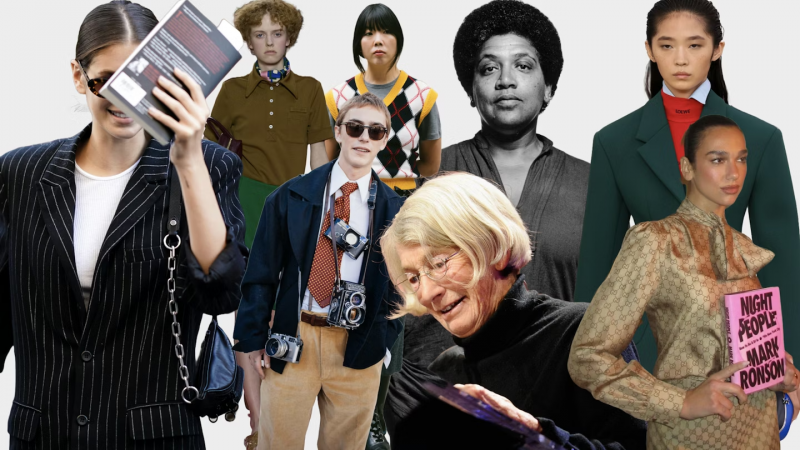
This trend also aligns with a broader cultural shift toward celebrating diversity and personal narratives. Consumers are increasingly rejecting the one-size-fits-all approach in favor of clothing that tells a story or conveys a message about who they are. The result is a more diverse and vibrant fashion landscape, where individual choices take precedence over conforming to mainstream trends.
Brand Identity and Marketing
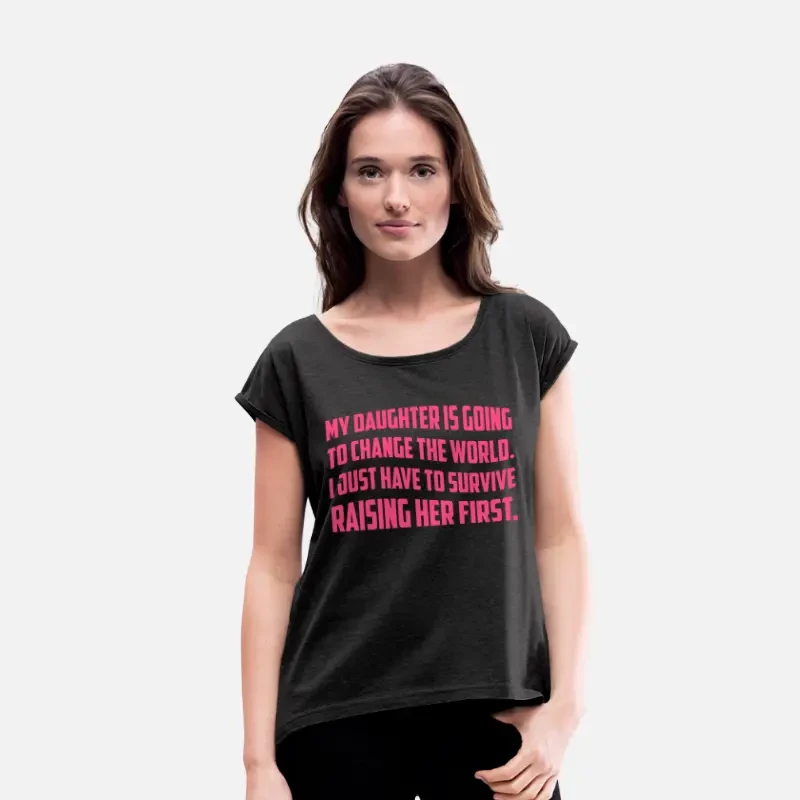
Customization offers a powerful tool for brands to solidify their identity and create a more engaging consumer experience. In the field of fashion, where differentiation is key, offering customized products can significantly enhance a brand's appeal. For instance, companies can get custom t shirts for their brand, which not only allows them to stand out in a crowded market but also creates a unique marketing narrative. These customized pieces serve as wearable advertisements, showcasing the brand's commitment to catering to individual preferences while reinforcing its identity in the minds of consumers.
Moreover, when a brand offers customized options like tailored t-shirts, it communicates a message of inclusivity and attention to detail. Consumers appreciate the opportunity to contribute to the design process, resulting in a product that resonates more deeply with their style. This level of engagement fosters loyalty and can transform customers into brand advocates. In a market saturated with generic offerings, the ability to offer a personalized experience can be a significant competitive advantage, creating a lasting impression and fostering a stronger connection between the brand and its audience.
Sustainability and Ethical Consumption
Customization in fashion is not only a nod to individuality but also a step toward more sustainable and ethical consumption practices. By producing garments on a made-to-order basis, fashion brands can significantly reduce waste associated with overproduction, a common issue in the traditional fashion industry. This approach aligns with a growing consumer consciousness about the environmental impact of their purchases, as it ensures that resources are utilized more efficiently and that only the desired items are produced.
Moreover, customization fosters a more ethical relationship between consumers and their clothing. When individuals have a hand in the creation process of their garments, they are more likely to value these items, leading to longer use and a departure from the disposable mentality often associated with fast fashion. This shift not only helps reduce waste and resource consumption but also encourages a deeper appreciation for the craftsmanship and materials involved, promoting a more thoughtful and conscientious approach to fashion.
Technological Advancements
The surge in customization within the fashion industry has been largely facilitated by technological advancements. Innovations such as 3D printing, digital fabric printing, and AI-driven design tools have made it easier and more cost-effective for brands to offer customized options. These technologies allow for a high degree of personalization without the need for traditional, labor-intensive processes, making customized fashion accessible to a broader audience.
Furthermore, technology has enabled consumers to engage with the customization process in a more interactive and immersive way. Online platforms and apps now allow individuals to visualize their customized garments in real-time, making design choices and alterations with the click of a button. This democratization of design not only enhances the consumer experience but also opens up new creative possibilities, allowing individuals to experiment with their style in ways that were previously unattainable.
Emotional Connection and Value
Customized fashion pieces often hold more emotional value for the wearer. This emotional connection is forged through the process of creation and personalization, imbuing the garment with significance that goes beyond its physical attributes. When a piece of clothing reflects an individual's choices, style, or even memories, it becomes more than just an article of clothing; it becomes a cherished possession that is likely to be cared for and worn for longer periods.
This emotional investment in customized clothing can lead to a more sustainable fashion cycle. When people feel a stronger attachment to their garments, they are less likely to discard them and more likely to repair or repurpose them, reducing waste and promoting a culture of longevity in fashion. In this way, customization encourages not only a personal connection to one's wardrobe but also a more responsible and sustainable approach to consumption.
Market Differentiation and Competitive Advantage
In a highly competitive fashion market, customization offers brands a way to differentiate themselves and create a unique selling proposition. By catering to individual preferences and providing unique products, brands can establish a strong market position and build a loyal customer base. Customization allows brands to move beyond generic offerings and engage with their customers on a more personal level, creating opportunities for deeper brand loyalty and customer retention.
Moreover, as consumer demand for personalized products continues to grow, brands that offer customization options are likely to have a competitive edge. They are seen as more customer-centric, innovative, and responsive to market trends, attributes that can significantly enhance a brand's reputation and appeal in the eyes of consumers. In an era where consumers are bombarded with choices, the ability to offer something unique and personal can be a decisive factor in attracting and retaining customers.
Conclusion
Customization in fashion represents a confluence of individual expression, technological innovation, sustainability, and market differentiation. It offers a pathway for consumers to express their unique identities while fostering a more sustainable and ethical relationship with their clothing. For brands, it provides a means to stand out in a crowded market and build deeper connections with their customers. As this trend continues to evolve, it is set to redefine the fashion landscape, making it more personal, meaningful, and responsive to the values and desires of today's consumers.



Trending Collections




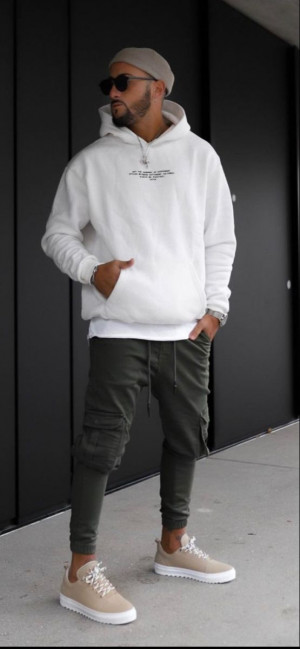
Popular Tags
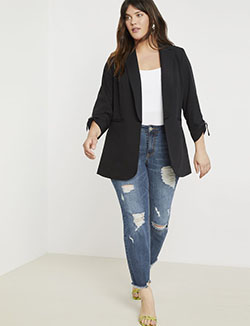
Plus Size Work Outfits
32 Posts
School Outfit
280 Posts
Denim Outfits
562 Posts